mac
MASTER YOUR MACROS With Ashley Flores & Kye Daley
con
Contents
Coach
Kye
Daley
I have learned so much along the way both by success and by failure. But nothing has resonated more than understanding that in order to be successful at this, you must value the details.
As a fitness professional with over 13 years of experience, I have seen many things evolve in the fitness world. I have learned so much along the way both by success and by failure. But nothing has resonated more than understanding that in order to be successful at this, you must value the details.
Starting my fitness journey was extremely difficult because I had nowhere to
turn to. When I was 19 years old, I was diagnosed with anorexia and had
developed and eating and exercise disorders. I knew this wasn’t me and so I
dedicated every moment I had to understand the details of what I would need to
do in order to improve myself. I made it my personal mission to improve my
health and I did. Now, I want to take every piece of information, every hardship
I’ve experienced, every success I’ve had the pleasure to enjoy and share it with
you.
I want to empower you and anyone else who is willing to listen.
In 2016 I moved to the United States with a drive and passion to bring my unique skill set and share it with everyone. This led me to a very successful career in coaching both competitive athletes and celebrities with their training and nutrition. I learned so much and developed a unique skill in understanding what you want and how to get you there.
My passion has always been helping people, but my love will forever be to fitness. I want to share that love of fitness with you. I want to empower you. I want you to succeed. Now, with the help of my very good friend Ashely, we believe this is the first step to taking you where you want to go in your health and fitness journey. Let’s go get it!
Kye Daley
Head Coach Team ERND
Bachelors in kinesiology sports science and management
Certificate 3 & 4 in Fitness Master Trainer
Certificate 3 & 4 Sports Massage Therapy
Sports Nutritionist
15 years of experience
@kyedaley
Ashley
Flores
I first discovered the gym as an outlet for my anxiety and depression. I was struggling with feeling like I had no control over anything in my life. Fitness pulled me out of a dark place and helped me regain that control – it empowered my life.
My professional career in fitness started 6 years ago. I first discovered the gym as an outlet for my anxiety and depression. I was struggling with feeling like I had no control over anything in my life.
Fitness pulled me out of a dark place and helped me regain that control – it empowered my life. I started by first working with a few trainers, but it wasn’t long after that I went and got my NASM Certified Personal Training. I loved fitness for what it did for me that I wanted to do more with it. I started helping others find healthy outlets in their life’s and turn them into balanced everyday habits. I enjoyed so much helping others adopt a healthy lifestyle
I went on to competing in the bodybuilding world. I wanted to take my drive and passion to the next level. But despite being successful in it, my mental and physical health suffered as I developed body dysmorphia and binge eating disorder. This is where Macros came into play for me. It helped me break away from cookie cutter dieting and learn more about balance. I learned about nutrition and what I needed to fuel my body and reach my goals all while still living life. I was able to have full control, practice moderation, and have a healthy balance. I truly believed fitness saved my life and I hope I can help many more with this guide my good friend Kye and I have for you.
Ashley Flores
NASM CPT, CES and PES
@ashleyfloresfit
EXCITE
Lost in The
Excitement

1. PROGRESS PHOTOS ARE A MUST!
Make sure you take a picture of yourself before you start your journey so we can track your progress. Take your photo in the same place, position and lighting to make sure you get the most reliable progress review. Do this every 2-4 weeks. Have a friend help take the photo for you or use the timer feature on your phone to take the picture yourself.
2. WE LOVE PROGRESS PHOTOS!
Tag us in your photos! Share your progress with us for a chance to be featured on our pages!
@ashleyfloresfit @kyedaley #masteryourmacros
Building
Blocks

Every food decision you make is an opportunity to direct, shape, and remake your health, body composition, and performance. It is important to remember that we are all different and all require different nutritional intake for our individual goals.
Every person needs protein, carbohydrates, fats and micronutrients in their diets. How much of each comes down to the individual person’s body composition and prioritizing the foods eaten to suit your personal goals.
To give you the perfect example for this would be using ourselves. Ashley is a female and approximately 130lbs who’s current goal is to stay relatively lean for photo shoots, and specifically change the composition of her lower body. On the other hand, I’m a male sitting at approximately 230lb and my main goal is to become the best amateur bodybuilder I can be. Therefore, how our calories are used will be completely different.
Okay team let’s go back to the very beginning and cover the basic building blocks to understand how you can create a plan that will not only aid in your lifestyle but also help reach your goals. We want to make sure you fully understand each building block, but more importantly how and why it can influence your results.
“Rule of thumb: Eat for what you're going to be doing, and not for what you have done. Don't take in more than you're willing to burn off.”
IFBB Professional BodybuilderCALORIE
cal·o·rie
A calorie is a unit of measurement that is used to measure energy in the food and drinks that we consume. Your body requires energy to function correctly and to perform tasks throughout the day. I think we can all agree on the statement that a “calorie is a calorie” just like a “mile is a mile.” in other words, there is no such thing as a “good or bad” calorie. However, how your body use the calories is what is most important when planning your daily nutrition.
Food shouldn’t ever be looked at as “good or bad” as this can later cause a negative relationship with food. You should look at it more as fuel to make your bodies function correctly. Typically, what is meant by good or bad food is foods of low nutrient density or high nutrient density respectively. The irony of the “good or bad food” point of view is that every “circle” has their own opinion on what good or bad food is so we are going to rephrase the conversation by talking about foods of low nutrient density WHICH AREN’T ACTUALLY BAD and foods of high nutrient density WHICH AREN’T BY DEFINITION GOOD. Food is fuel and context are everything when it comes to how you look at food.
Low Nutrient Density Foods are those that have a lot of calories but few nutrients. Typically, these types of foods satiate the body for a very short period of time. An example of this would be a piece of cake that has little to no nutritional value other than the calories it provides. Although, not a “bad” thing to eat, keep in mind the number of calories that are in that piece of cake. For example, a slice of Original Cheesecake from The Cheesecake Factory has 830 calories which may not sound too bad but if you breakdown the macros (58g of Fat, 64g of Sugar, and 12g of Protein) you start to really understand why you may want to cut back on your cake intake.
High Nutrient Density Food are the opposite. They have very few calories but lots of nutrients, meaning you can consume a much larger volume of food. High Nutrient Density Food satiate the body for a much longer period of time.
Calories per Gram per Macro Nutrients & Alcohol:
4 Calories 1 Gram of Protein

9 Calories 1 Gram of Fat

7 Calories 1 Gram of Alcohol

4 Calories 1 Gram of Carbs

Macr
Macronutrients
A macronutrient is the term that is used to refer to the (3) basic components that will be used to create a large portion of your nutrition plan. Your food is broken down into Fats, Carbohydrates, and Protein.
FATS
/fæt/
Everyone requires a certain amount of fat to help form a healthy, well-balanced plan. Out of any other macronutrient, fats are higher in energy (kilojoules). This is why the body stores fat and why it prefers it – but more on that later. There are four major types of fats in the foods that we consume. Fats are categorized by structure (types of bonds between molecules and length of the molecule) and that structure influences its effect on that body.

1. Saturated Fats
The types of bonds in saturated fats make it so that there is not much room in between the molecules, and they can stack on top of each other easiest which leads to them being typically solid at room temperature. Saturated fats aren’t inherently bad but can be linked to markers of heart disease such as high cholesterol. Even within saturated fat there are many different categorizations.
Short Chain Fatty Acids Short Chain Fatty Acids
These types of fatty acids are produced by the intestinal microbiome from ingestion and fermentation of fiber. These fats provide energy for the cells in your colon and play an important role in the metabolizing of carbs and fats in the body.
Medium Chain Fatty Acids Medium Chain Fatty Acids
Some studies show that medium chain triglycerides (MCTs) help aid in fat oxidation. MCTs have been popularized by the fitness space especially with bodybuilders and endurance athletes for their enhanced fat oxidation abilities. MCT may influence brain and cognitive health such as memory, alertness, attention, and intelligence due to their ketone response. When consumed in a reasonable amount MCTs are used by the liver for fuel and are rarely stored as fat if consumed in normal amounts. However, MCTs as a fat loss supplement or supplement for endurance athletes to increase oxidation of fatty acids during exercise are insu ciently researched to state whether they have a direct benefit or not.
The most common form of dietary saturated fat, with 14 or more carbon molecules and found in foods such as: soybean oil, fish, nuts, avocado and meat. Long Chain Fatty Acids are crucial during the development stages of early age. They are great source for growth and development.
Very long chain fatty acids have 22 or more carbons and are helpful in aiding with protein and lipid synthesis in the body. Unlike most fatty acids, VLCFAs are too long to be metabolized in the mitochondria and must be metabolized in peroxisomes.
Acetic acid
Propionic acid
Butyric acid
Short-chain
fatty acid
C2, C3, C4
Fiber
These fatty acids are produced by the intestinal microbiome via fiber fermentation
Caproic acid
Caprylic acid
Capric acid
Medium-chain
fatty acid
C6, C8, C10
Dairy fat, Coconut,
Palm Kernel oil,
Different Forms of Saturated Fat
Lauric acid
Myristic acid
Palmitic acid
Stearic acid
Long-chain
fatty acid
C12, C14, C16, C18
Many Foods
These fatty acids are the most common form of dietary saturated fat.
Acetic Acid
Propionic Acid
Butyric Acid
Very-Long-chain
fatty acid
C2, C3, C4
Fiber
These fatty acids are produced by the intestinal microbiome via fiber fermentation

 Butter, Cream, Cheese
 Beef, Pork, Lamb
 Chicken (especially the skin)
 Salami
 Some Plant Sources
 Palm & Coconut Oil
 Cooking Margarine
 Potato Chips, Cookies
Takeaway:
Saturated fats are not necessarily evil but limiting them when possible would be smart. A general recommendation to follow is making sure that they are below 1g/100 calories of your dietary intake. So, if your calorie intake is 2500, aim to keep it below 25 g of saturated fat.
2. Trans Fats (Naturally Occurring & Artificial)
- • Naturally Occurring in Milk & Meat
- • Artificial (or trans fatty acids): These are created in an industrial process that adds hydrogen to liquid vegetable oils to make them more solid.
It is frequently used to improve the flavor stability and shelf life of foods (examine.com)
Medical professionals consider trans-fat to be one of the unhealthiest compounds found in food today. Trans-fat is heavily associated with an increase in bad cholesterol (LCL) and decrease in good cholesterol (HDL). These in com- bination, accelerate the development of atherosclerosis (clogging and hardened of arteries), increase the risk of diabetes, coronary heart disease and cardiac related death (examine.com). Reviews on trans-fats suggest that the negative health effects of trans-fats are from industrially produced trans-fats and not from trans-fat produced by animals.
Takeaway:
Trans-fat intake from industrial processes sources should be zero because it has been recognized by the FDA to damage your health.

3. Polyunsaturated Fats and Monounsaturated fats
Not all fats are created equal! Polyunsaturated and monounsaturated fats are the most beneficial fat the body can receive. These fats are typically liquid at room temperature due to their chemical structure. They are known to help reduce bad cholesterol and lower risk of heart disease. Some polyunsaturated fats regulate various biological processes like inflammatory response specifically, metabolic signaling pathways, and brain function (examine.com). Fish oils specifically cause a decrease in triglyceride levels, blood pressure, depression.
Takeaway:
In general, the majority of the fats that you consume should be mono unsaturated and polyunsaturated fats instead of trans or saturated.
Polyunsaturated:
 Nuts & Seeds
 Fish
Fish
 Seed Oils
 Cooking Margarine
Monounsaturated:
 Avocados
 Almonds, Cashews
 Sunflower Oil
 Canola Oil
“Exercise is king, nutrition is queen. Put them together and you’ve got a kingdom.”
Fitness & Nutrition ExpertCar
kaar·bow·hai·dreit
Where do I even start. Carbohydrates are amazing, mostly because they taste delicious but unfortunately, they get a bad reputation. It seems like everyone has something to say about how carbohydrates will make you fat however carbohydrates are consistently used by your body for energy, stamina, concentration, and recovery. In other words,
YOUR BODY NEEDS CARBS!
This becomes even more important if you’re performing intense exercises like weight training or triathlons for example. Without carbohydrates, your body will begin to break down your muscle tissues to fuel your body, which if your goal is to build muscle or get toned, cutting your carbohydrate intake will sabotage your efforts.
Most of us look at carbohydrates and associate them with bread and pasta but forget that they can be hiding in other delicious places like the ones pictured below.
Vegetables

Fruit

Whole Grain

Seeds/Nuts

Beans

The easiest way to understand carbohydrates is knowing there are three components; sugars, starch and fiber. These are then categorized into Simple Carbohydrates (Sugar) & Complex Carbohydrates (Fiber & Starch). How do you tell the difference you say? Well, it’s simpler than people give it credit for. The difference between the two types is that a simple carb is quickly digested and absorbed by the body, therefore it raises blood sugar levels quickly. Whereas a complex carb takes a much longer time to digest therefore will raise sugar levels more slowly.


While the majority of your carbohydrate intake should come from complex carbohydrates (starches) and naturally occurring sugars (simple) rather than processed or refined sugars. I can see your thought process now “does this mean I can eat all the candy I want all the time because it’s a simple carbohydrate just like fruit?” The answer is no, and here is why.
As we mentioned above simple carbohydrates can include natural foods like fruit, vegetables, and milk but also include processed foods like candy, soft drinks and added sugars.
Each type of sugar is broken into 2 different types;
1. Monosaccharides
- Glucose (dextrose), fructose (levulose) and galactose
2. Disaccharides
- Sucrose (table sugar), lactose and maltose, double sugars
It’s unfortunate that like alcohol, sugar provides little to no nutritional value apart from the energy you receive when consuming them. We aren’t saying only eat complex carbohydrate but like everything we preach, moderation is KEY when it comes to selecting the right simple carbohydrate for your goal and health!
Have you ever heard the saying “the more complex the carb the better” and wonder what that actually means? The reason your nutrition needs to be made up of mostly complex carbohydrates is because they are high in fiber and digest more slowly which means they will keep you fuller for longer. So, when you’re in a caloric deficit, complex carbohydrates are perfect! The fiber will help with cholesterol control and helps create more regularity with natural bowel movements. Honestly, eating complex carbohydrates is a definite win / win situation in our opinion.
“Those who think they have no time for healthy eating, will sooner or later have to find time for illness”
Nutritionial BiochemistryPro
Very rarely will you eat “protein” that is completely straight protein. When eating foods like red meats, chicken, fish, soy, protein powder or plant-based foods they all have either fats and or carbohydrates alongside with them. Protein broken down into the rawest form is known as amino acids which are the building blocks for maintaining your bodies muscle mass. Protein can then be categorized into two different types:
COMPLETE & INCOMPLETE PROTEINS
An incomplete protein is due to one or more of the essential amino acids miss- ing making the protein imbalanced. Foods like peas and beans, grains, nuts, seeds and vegetables are just some sources that are incomplete.
For all of our vegetarian or vegan friends you can combine certain incomplete proteins together that will help get you your essential amino acids in a complete form.
Animal proteins like poultry, meat, fish, cheese, soy and quinoa (plant-based) have adequate amounts of the 9 essential amino acids (essential amino acids are amino acids that your body cannot create on its own so it you need to make sure your diet contains all 9 essential amino acids) making them a complete (whole) protein.
Protein consumes over 50% of the body’s dry mass making it the most important molecule in the body. There are 9 important functions of protein within the human body making this macronutrient one of the most important for your health.
Whether your goal is to increase muscle mass, lose weight, become healthier, faster or stronger protein needs to be the first macronutrient you consider in your plan. The word protein comes from the prefix proteo which means “first or primary”. It is no coincidence that protein should be one of the first things to calculate with any type of goal.
Growth & Maintenance of Tissues
Important for those in a deficit to hit portion first to ensure muscle tissue is held and not lost
Growth & Maintenance of Tissues
Important for those in a deficit to hit portion first to ensure muscle tissue is held and not lost
Growth & Maintenance of Tissues
Important for those in a deficit to hit portion first to ensure muscle tissue is held and not lost
Micr
(nutrient)
We are going to try and make this as simple and to the point as possible because this is such a complex topic. Micronutrients are vitamins, minerals and phytonutrients (plant chemicals) Just like the name suggests micro meaning while we need them just in appropriate amounts and times. Micronutrients are considered an essential nutrient because your body cannot produce them on its own.
Micronutrients don’t give us energy directly however as they are involved in almost every biological process that aids in keeping us healthy and thriving, like repair, digestion, energy transfer and immunity. Two of the most important organs in our body that we should take care of like a newborn baby, is our liver and kidneys! Micronutrients are the nutrients that help to detoxify, clean out and keep these two very crucial vital organs functioning!
Liver Liver
The liver's main job is to filter the blood coming from the digestive tract, before passing it to the rest of the body. The liver also detoxifies chemicals and metabolizes drugs. As it does so, the liver secretes bile that ends up back in the intestines.
Kidneys Kidneys
The kidneys perform many crucial functions, including maintaining overall fluid balance, regulating and filtering minerals from blood, filtering waste materials from food, medications, and toxic substances.
Research has shown that many people do not get enough quality micronutrients to help these vital organs stay healthy. When we look at most people doing meal prep, how often do you just see broccoli, beans, or asparagus become the “vegetable source” of the meals? So how do you make sure you get enough quality micronutrients into your diet? When selecting different foods, you want to eat as much as possible with whole foods that are rich in these nutrients.

- Poultry
- Fish
- Seafood
- Eggs

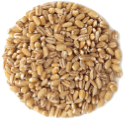



There are several different kinds of micronutrients that play different roles in your body’s metabolism. These are known as water soluble and fat-soluble macro minerals and trace minerals.
Water Soluble
Water soluble vitamins are difficult for your body to store in excess and because they are water soluble, they will get eliminated from the body if consumed in high quantities. Examples of water-soluble vitamins are vitamins B and C.
B vitamins play a role in energy production and for that reason many people load up on B vitamins in hopes it will give them increased energy and performance. However, there is little to no evidence that b vitamins increase strength or endur- ance. Most of the evidence shows cognitive improvements, not physical performance improvements.
Vitamin C is another water-soluble vitamin which means that over consumption will result in elimination from the body. Vitamin C plays an important role in isolat- ing free radicals in the body, modulates cortisol, has neurological benefits on blood flow. While vitamin C is said to reduce the frequency of colds there is actually no evidence to support this in healthy populations. It can decrease the duration of a cold by about 8-14% in any population.
Fat Soluble
The definition of fat-soluble vitamins is simple like water soluble, except the dis- solve in fat and oils instead of water. Fat soluble vitamins need to be consumed in the proper amounts because unlike water soluble vitamins they can be toxic at high levels because they do not get eliminated out of the body as quickly.
Vitamin A plays an integral role in skin health, vision, immune support, and gene transcription.
You might have heard that you don’t get enough vitamin D when you are not in the sun enough but why is that? Our bodies synthesize vitamin D when exposed to sunlight. For people who spend the majority of their day indoors and hardly see the sun vitamin D is of paramount importance. Vitamin D levels are tied to your mood and bone health which is why many people who suffer from vitamin D deficiency will be extremely tired and lethargic or even depressed in extreme cases. Vitamin D is one of the most common micronutrient deficiencies and is responsible for many processes in your body such as cognition, immune health, bone health, and overall well-being. Supplemental Vitamin D can reduce the risk of cancer, heart disease, and even diabetes and Multiple sclerosis.
Vitamin E are a group of compounds that support antioxidants and immune support in the body. The benefits of Vitamin E are mainly from avoiding deficiency and not necessarily from additional supplementation.
Vitamin K is an essential vitamin that helps maintain bone health and cardiovascular health by controlling arterial calcification (or buildup of calcium in the arteries). Vitamin K is difficult to consume in sufficient amounts from food therefore supplementation of Vitamin K is highly recommended along with Vitamin D.
“Cutting back on calories is not the answer to successful weight loss and successful health... you have to increase the quality of what you eat, not just reduce the quantity.”
Physician & Former Figure SkaterChoo




Caloric Maintenance
Your bodies require energy every day. The food we eat is used in various ways from repairing muscle tissue, turning over cells to create new ones to providing your body what it needs to function. The term maintenance calories is used to explain the total amount of calories your body requires each day just to maintain your current energy and body weight. Therefore, no gains or losses in fat or muscle tissue will be made.
Caloric Deficit
This is very simple however is often over complicated to the point of confusion. A caloric deficit calls for the reduction of calories being consumed. You can also create a deficit by increasing your activity levels without increasing your caloric intake. Creating a caloric deficit needs to be relative to the number of calories required for simply maintaining your current body weight or also known as your body’s energy homeostasis.
Caloric Surplus
A caloric surplus is simple and to the point, you need to consume more calories than you burn. Being in a caloric surplus has two possible end results: gaining weight in the form of muscle (i.e. “getting toned”) or gaining weight in the form of fat. Ninety percent (90%) of the population’s goal is to gain muscle not fat so it is important to have a solid strength training program.
Before we take you through the calculations you need to understand exactly how energy balance works. Energy balance affects many processes that our bodies go through – ranging from our weight, hormones, and moods.
We receive energy from the food we consume and liquids we drink, and our bodies use that energy to function. What your body burns over a complete 24-hour period is divided into 4 categories.
These 4 categories explain how your body burns energy. All four categories make up your Total Daily Energy Expenditure (TDEE).
- 1. Basal Metabolic Rate
- 2. Non-Exercise Activity Thermogenesis
- 3. Scheduled Exercise
- 4. Thermic Effect of Food (TEF)
1. Basal Metabolic Rate (BMR)
Your BMR is what your daily energy expenditure at rest is. What this means is every day without even moving your body burns energy just to function correctly. Everything in your body from your organs to skin and bones it all requires energy to successfully do their job within your body. When we start to add training, incidental activities, cardio or other movements your body starts to require more energy (calories) to function.
2. Non-Exercise Activity Thermogenesis (NEAT)
NEAT is a very individual thing and can drastically change from one person to another. Someone who drives to work and sits at a desk 90% of the time will use less energy than someone who walks to the office and has regular times to stand, walk around or even stretch throughout the day. Of course, we than have someone who works labor intensive jobs therefore their daily NEAT is already quite high.
3. Scheduled Exercise:
This is very simple and honestly self-explanatory but its anything outside of your normal activity. Examples of each of this would be;
In the gym or outdoors but incorporating weights to progress in strength.
These can include Barry’s Bootcamp, F45, Orange Theory class or even a class in your local 24 Hour or LA Fitness and many more depending on where you are located. They can range from Pilates, boxing, HIIT, yoga or even Les Mills!
There are so many different types of Yoga now that honestly, I believe there is one that everyone will love. Yoga has amazing benefits and if you like me and don’t stretch enough Yoga is a must!
Indoor - Treadmill, Stairs, Elliptical, Bikes, Spin.
Outdoor - Running, walking, roller blading
The idea of High Intensity Interval Training (HIIT) is that the exercises should be brief, infrequent, and intense. Your workout should last between 20 and 45 minutes in length.
Types of HITT can include
 Tabata
 Sprints (indoor or outdoor)
 Cross Training
 Circuit Training
 Anything that can elevate your heart rate for short
sharp bursts.
Anything that can elevate your heart rate for short
sharp bursts.
Sports: Sports
This is up to each individual but can be from football to athletics and anything in between!
4. Thermic Effect of Food (TEF)
TEF is the amount of energy required to digest, process and absorb the foods we are eating. The energy required to digest each macronutrient is shown below;
If you have ever heard or experienced the phase “meat sweats” it’s because protein takes more energy to process and therefore has the highest thermic response.
Just like everything else we preach, each person's TEF can be very unique to you. A healthy adult with a standard mixed diet can usually represent around 10% of their caloric intake however this can change based on a number of different factors which include lean body mass, size, and composition of your meal.
While two foods can contain the exact same number of calories, they can still result in very different amounts of TEF due to digestion and absorption. This is also why we recommend to always focus on whole, minimally processed, home-cooked meals for at least 80% of your nutrition.
Now that you have a thorough understanding of how nutrition will affect your body and your progress towards your specific goals, lets calculate your personalized macros!

Understanding
Your Marcos
When people talk about calculating macros, the most important macronutrient that is neglected is protein. However, out of the 3 macronutrients, protein is the most important one to consider for helping maintain your muscle tissue. Your protein intake should always be calculated first and remember to always do what works best for you.
The scale for determining your macro percentage breakdown is very different from person to person. There are 5 variables to consider in addition to taking your goals into account. What I mean by this is if you are looking to gain muscle, your intake needs to increase and vice versa if you are looking to get lean. Now if you are looking to maintain (remember that’s not lose or gain) you would consume your maintenance calories. The macro breakdown can differ, depending on your preferred diet but the total amount of calories you consume will be the same.
Coach Kye Pep Talk:
There are many ways to peel a potato just like there are many
types and forms of dieting. What I desperately want you to remember is that what
you choose needs to be sus- tainable for you and enjoyable for you! If that’s
low carb high fat PERFECT! Vegan – GREAT. Keto – AWESOME.
We want to help you create
In order to create any form of long-lasting change you need to be able to have an understanding of food and how to be able to have a more flexible approach at times. What I mean by this is that many times people on a “strict” meal plans stick to it for a week then go off and binge over and over again. This creates a “black and white” or “on and off” mentality towards food and dieting that isn’t maintainable for very long. It also creates a slippery slope to a worst habit. This type of approach can lead you to believe one misstep defaults to a day of zero consideration like having a slice of pizza that isn't on the meal plan and you telling yourself “Oh I will just have a couple more slices since I’ve already gone off my meal plan.”
“In reality, everyone is human and just because you went slightly over your plan it’s not an excuse to throw away the whole day.”
This is not a domino effect and you should never treat it like that. Going 200-300 calories over your target for the day will not end you. If you know you are going to go out and have some dinner with friends, just be smart and leave some calories for the dinner and allow yourself some room to have the things you enjoy and still try to hit your calorie and protein goal for the day.
Here’s an example to help you understand. Let’s say your calorie target for the day is 3000 calories and you've eaten 1500 for the day already leaving 1500 calories for dinner and dessert. This gives you 1500 calories of room to have things that you enjoy and not blow your plan.
Understanding your macros and sticking to your calorie intake should be empowering and not restrictive. Use this information to your advantage and make things work for you and not the other way around. Keep in mind that macros are more like guidelines. Sticking to them to the gram will be the most difficult thing you have ever done in your life and most likely stress you out more than it will benefit you. Aim to stick to the calorie goal and a macro goal (+/-10 grams)
Calculating your macros is super simple to work out you just need to revert back to your calories per gram each macronutrient.
4 Calories 1 Gram of Protein

9 Calories 1 Gram of Fat

7 Calories 1 Gram of Alcohol

4 Calories 1 Gram of Carbs

Lets
Let’s Get Your
Macros Set
Here’s what we’ll need to know in order to make this happen. Your gender, your age, your height, your weight, your activity level, and your overall goal (lose weight, maintain, or gain muscle). You’ll also want to choose what type of diet you prefer to follow. The options we have preset are a High Protein Diet, a Keto Friendly Diet, and a Balanced Nutrition Diet. You may want to consider your goal when picking your preferred diet. For example, if your goal is to gain muscle than perhaps, you’ll want to adopt a high protein diet to fuel the body with the necessary building blocks it needs.
Just keep in mind that the most important thing here is for you to pick a plan that you can stick to. So, don’t go choosing the Keto Diet because its trending in popularity. Pick a diet you can stick to. That is the whole point of this guide. Understanding how the body converts macronutrients and calories into energy is crucial. But nothing is going to be more important than the information our calculator is going to generate. Your daily protein intake, your daily carbohydrate intake, and your total daily fat allowance will all be broken down by the number of meals you choose to eat in a day. Here’s what you should expect; I ran my information through our calculator, and this is what I got in return:
Total Grams
Of Protein
Total Grams
Of Carbs
Total Grams
Of Fat
Now, I chose to get this broken down into 4 meals and that returned 81g of Protein, 81g of Carbs, and 31g of Fat per meal. To be clear, this is my daily required intake I need in order to maintain my body type. So as long as I meet this number every day, I can guarantee my body weight will remain the same.
Let’s not waste any more time and get your Macro
Break-
down right now!
The Calculation!
Inte
Internal & External
Influences
Water: Water
I honestly believe that water is the fourth macronutrient. Given that your body is made up of approximately 60% water, it is important that your body gets an adequate amount each day to help support and sustain your body’s functions.
Water is often overlooked and constantly forgotten about when it comes to con- suming liquid during day. While it doesn’t necessarily provide energy to the body, it is used to provide support and serves as a carrier to help distribute your daily nutrients to the cells and remove wastes from the body.
Letting yourself become dehydrated can slow down your body’s metabolism by as much as 3%! This means that when you go to grab a coffee or your favorite energy drink, you’re only contributing to the dehydration of your body.
You should aim to consume at least 3 liters or 1 Gallon of water a day at a mini- mum. If you have a job that requires more output like labor intense / outdoor work consuming more is highly ideal. Keeping in mind that drinking too much water is a thing, so be smart; listen to your body and when your thirsty drink water not an energy drink.
Sodium: Sodium
If I had a dollar for every time I’ve heard “Oh no I can’t have that! It has too much sodium” then let’s just say Ashley & I would be a living our best lives on a tropical island somewhere. Sodium is not your enemy; in fact, it is important for your body to get sodium! Why, you ask? It is actually quite simple. Sodium helps keep your essential electrolytes balanced. This is crucial to maintaining a balance of water in and around your cells.
It also helps with nerve and muscle function. Now is there a such thing as “too much sodium” of course! Just like you can have too much candy or chocolate or protein. Moderation is KEY! Consuming excess sodium in the short term will make the body hold excess fluid and in the extreme long term it can put added burden on the heart increasing the risk of stroke or heart disease.
If we look at the reverse and having little to low sodium can cause the body to become dehydrated which can cause those unfriendly muscle cramps.
In our opinion you want to aim to have 2000mg sodium per day at a mini- mum but always track how your body feels at certain levels as some require more than others. The most ideal and natural sources for sodium are Pink Himalayan Sea Salt.
Some people worry about sodium because it will increase your blood pressure or already have existing high blood pressure. However, high blood pressure stems from a combination of things not just increased sodium intake. The types of sodium and salts you ingest also matter. Pink Himalayan Salt helps to balance electrolytes in the system especially when you are on a no carb to low carb diet like keto. Carbohydrates are typically sodium dense and help the body to retain water and a healthy electrolyte balance. Adding pink Himalayan salt can help with that balance but also provide your body with key trace minerals. On the flip side, having heavily cured meats that are high in sodium are typically full of iodized sodium which is unhealthy and can cause spikes in blood pressure and lead to excess bloating as well. On the flip side, having heavily cured meats that are high in sodium are typically full of iodized sodium which is unhealthy and can cause spikes in blood pressure and lead to excess bloating as well.
Alcohol: Alcohol
We are always real with you guys and as we all know everyone’s love a good glass of
wine or beer after a long hard day’s work.
Shoot, or maybe even going out with friends to celebrate with cocktails and shots!
Don’t blame you!
Alcohol is delicious and we agree sometimes the opportunity on special occa- sions is hard to pass up! But we must remember it is extremely calorie dense compared to the other macronutrients. Although there are 7 calories to 1 gram of pure alcohol these calories are referred to as “empty calories” as they have no nutritional value.
Unfortunately for us, your bodies are unable to store alcohol like it can protein, fats or carbs. What this means is your bodies want to get rid of it as quickly as possi- ble, so it becomes the priority to burn off and all other processes like absorbing nutrients or burning your bodies already stored fat are interrupted/stopped.
I think it’s safe to say that we have all experienced a pretty hectic hangover once or twice before. That pounding headache, dehydration that makes us want to drink all the water in sight but then there is the effects we don’t see or notice as it on the body’s systems.
Dehydration is something that can be fixed relatively quickly with the right amount of water and sports drinks to replace electrolytes, but only time can reverse the effects that alcohol has on your internal health and hormones.
How alcohol affects your hormones as individuals is completely different from person to person. Let’s use Ashley & myself as examples. The obvious difference is your genders, but we also have different body compositions and internal pro- cesses, which means how Ashley’s body handles alcohol is going to be completely different to mine.
One thing we need to mention is that excessive alcohol consumption (excessive with be relative to each person) will actually decrease muscle protein synthesis and can impair recovery and performance post training. Sometimes you’ll hear people say that having a beer after a workout is good because of the carbs but the amount of alcohol will most likely offset the recovery benefit from the carbs.
A good guideline to follow is not to drink to the point of feeling tipsy. A second thing to be aware of with alcohol is it is the second most dense calorie source other that fat. So, while drinking hard liquor might have less carbs, the number of calories is still significant because of the amount of alcohol in the drink which contains alcohol. Remember that alcohol contains 7 calories/gram, so alcohol is not calorie free. We aren’t saying don’t drink alcohol rather to be aware of your consumption and how it will affect your GOALS. Absolute moderation is KEY especially with alcohol.
Female Hormones: Female Hormones
Ladies, unfortunately we are the most critical on ourselves when we really shouldn’t be. Our bodies hormonally once a month can go through some dramatic changes however this differs from women to women. You can experience mood swings, fatigue, depression, bloating, breast tenderness, headaches and weight gain. Now, let’s be clear here when i say “weight gain” this is not muscle or fat its just a fluctuation usually due to the body holding more water, inflammation etc.
Stress: Stress
The world is moving faster and faster each year and we don’t seem to be slowing down. We are wanting to do more, be more and have more which is making our lives become more stressful without us even realizing it. One of the largest rea- sons why our bodies fail to change is STRESS. We stress about everything from work, personal life and yes when we aren’t happy with our body.
However, what everyone doesn’t realize is the more you stress the more stub- born your body will begin to change. Cortisol is the main hormone associated with stress and when it is in normal ranges it helps control blood sugar levels, regulate metabolism, and help reduce inflammation. It also helps regulate salt and water balance. In women, cortisol also supports the developing fetus during pregnancy. All of these functions make cortisol a crucial hormone to protect overall health and well-being.
However, the problem arises when chronic stress levels become too high be- tween things like work, training, and other life stressors. Your body is not able to distinguish between training stress and work stress Chronic excessive stress can elevate cortisol past a normal range and actually cause decrements to your training and performance and body’s progress. Elevated cortisol levels in the body also cause a decrease in testosterone and can lead to loss of muscle mass and strength progression stagnation of results, as well as rapid weight gain in the face, abdomen and chest. Having a proper balance of training, nutrition, and other life stressors is essential ensuring your best results in whatever your fitness goal is.
Sleep: Sleep
Sleep is one of the most underrated recovery techniques. Many people look for other methods of recovery such as ice baths, heat, stretching and supplements when in reality much of their problem could be solved by getting an adequate amount of sleep. While the amount of sleep you should get will vary between person to person the typical guideline is about 6-8 hours to prevent lack of per- formance. Sleep is essential for cellular function of the body and lack or ab- sence of sleep are potentially harmful to your health, eating behavior, blood sugar regulation, blood pressure, cognitive processes and hormonal changes. Ensuring an adequate amount of sleep should be non-negotiable in program as no amount of food you can eat will make up for consistent lack of sleep.
WHAT DOES
ASHLEY
EAT
How Ashley Eats
Each day I eat relatively the same food as you will see from below however, I don’t restrict myself to “certain” food types or cut foods out. If I feel like eating chocolate I will that’s why Mastering your Macros is amazing!
Before Breakfast:
- + Scoop of 1up Vegan Greens & Reads
- + B12
- + D3
- + CLA
- + Daily Cleanse by 1up
Breakfast:
- + 2 Whole Grain Waffles
- + 1 Banana
- + 2 Tablespoons
- + Sugar Free Pancake Syrup
- + Cinnamon
- + 1 Cup Egg Whites with Everything but the Bagel Seasoning or Sugar Free Ketchup
Snack:
- + 1 Cup Triple Zero Greek Yogurt
- + 1 Cup Fruit
- + 1⁄2 Cup Granola
- + 1⁄4 Lily’s Dark Chocolate Chips
Post Workout:
- + 1 Up Chocolate Protein Bar or Protein
Lunch:
- + 5oz Chicken or Shrimp
- + 5oz Japanese Baked Sweet Potato
- + Veggies (any kind) but usually a Falafel & Feta Salad
Snack:
- + 2 tbsp Peanut Butter
- + 1 Large Honeycrisp Apple
- + 1 Snack Pak (Carrots, grapes, pretzels and cheddar cheese)
“Knowledge is only powerful If applied”
Nutritionial BiochemistryMaster Your Macros
Conclusion
Having a healthy relationship with food is the most important component of a healthy lifestyle. Understanding how food works and what it does to your body will empower you to make the best decisions moving forward. We hope this book makes a difference in how you see food. We hope that the information we have provided you helps you make healthier choices. You now have the knowledge to make it happen. You just have to apply it! Just keep in mind that positive change happens in small increments. Set short-term and realistic goals. Stay focused and remember no one can make it happen other than you!
Ashley Flores
NASM CPT, CES and PES
@ashleyfloresfit
Kye Daley
Head Coach Team ERND
Bachelors in kinesiology sports science and management
Certificate 3 & 4 in Fitness Master Trainer
Certificate 3 & 4 Sports Massage Therapy
Sports Nutritionist
15 years of experience
@kyedaley